The complete guide to how my family in Okinawa eats, moves, and lives — 87 recipes and daily rituals you can start this week, in any country, on any budget.

In my village, living past ninety is not a miracle. It is Tuesday.
Okinawa has more centenarians per person than almost anywhere on Earth. We did not get here with supplements, gym memberships, or twenty-dollar smoothies. We got here with a way of eating and living that costs less than the way most people live now — and that my grandchildren asked me to finally write down before it is forgotten.
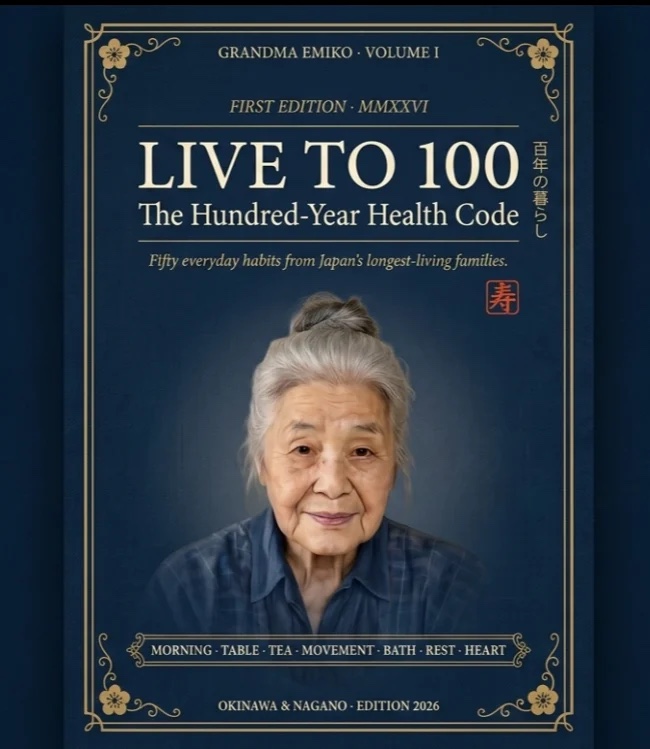
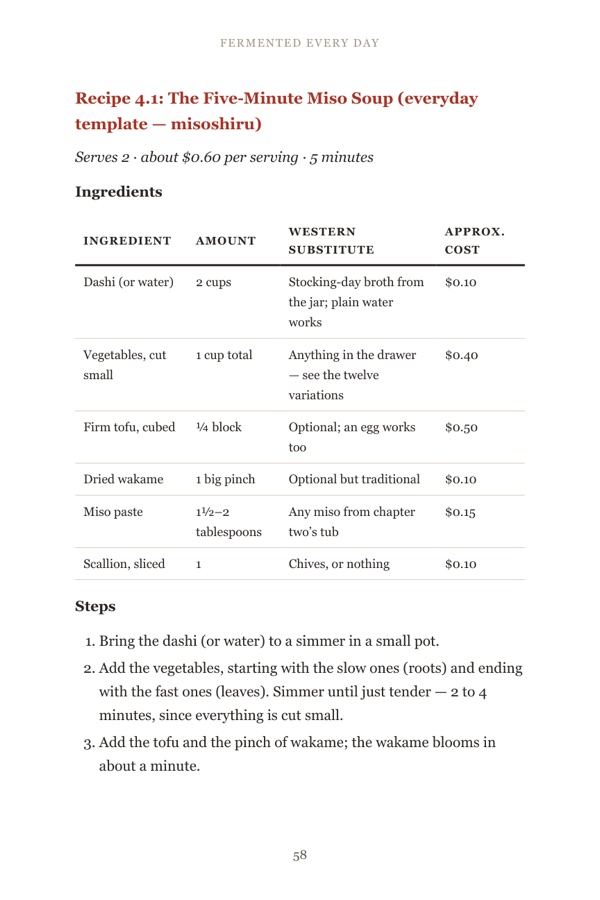
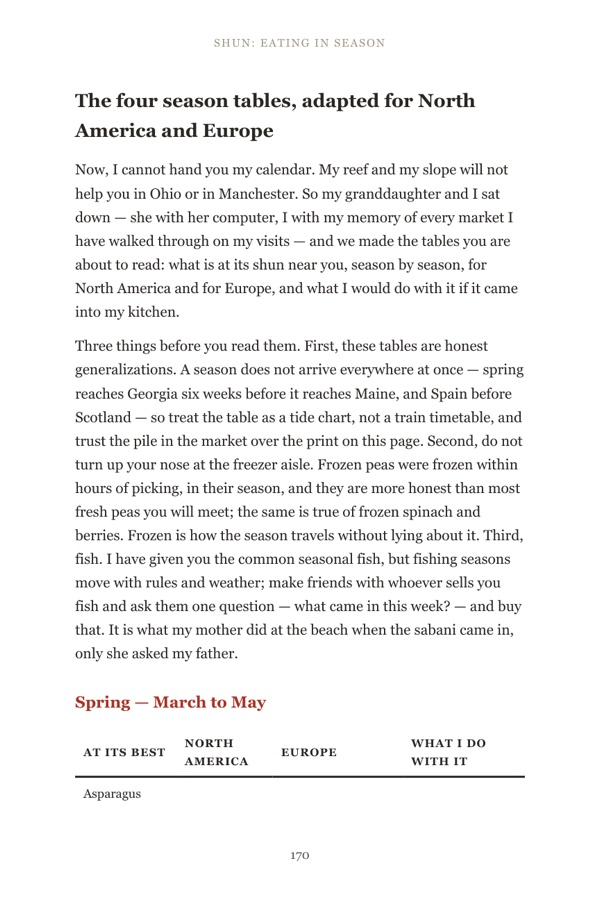
Live to 100 — The Hundred-Year Health Code is that book: 13 chapters, 87 recipes and rituals, over 200 illustrated pages. Every recipe uses ingredients you can find in an ordinary Western supermarket, with substitutions listed for every Japanese ingredient. Every ritual takes minutes, not hours.
This is not a diet. Diets end. This is how we live.
Two people turn seventy this year. Look at their ordinary day.
| The usual way | The 100-year way |
|---|---|
| Eats until full, in front of the TV, in 11 minutes | 腹八分 — stops at 80% full, at a table, unhurried |
| Drives everywhere; sits 9+ hours a day | Walks to the garden, the market, the neighbor's house |
| "Exercise" is a resolution that ends in February | 6 minutes of radio taisō every morning, since childhood |
| Eats alone, scrolling | Eats with a moai — a circle of friends for life |
| Retires, and the days lose their shape | Wakes up with ikigai — a reason that gets you out of bed |
| Grocery cart: boxes, bottles, freezer bags | Grocery cart: vegetables, tofu, fish, rice, tea — cheaper, too |
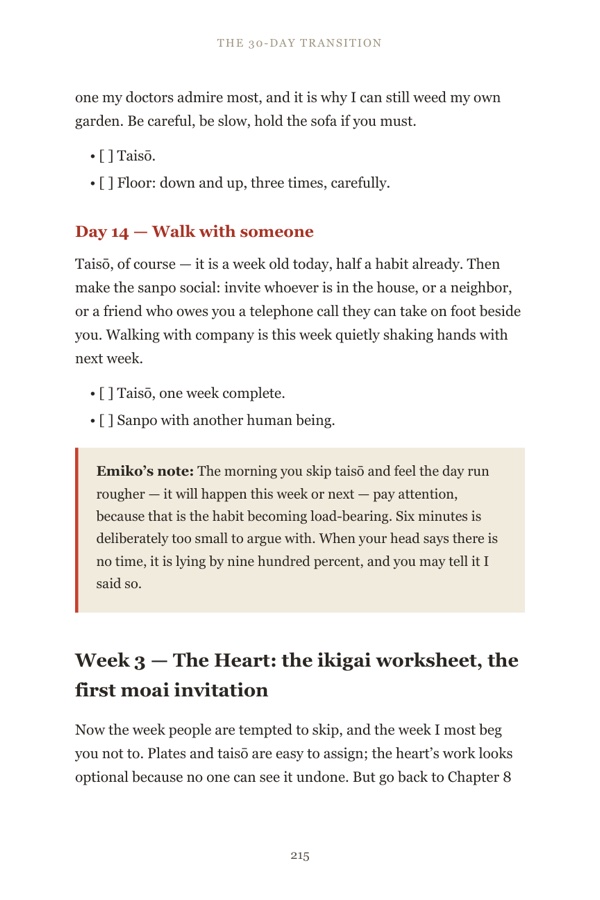
None of this is difficult. It is only different. The manual walks you from one column to the other in 30 days, one small habit at a time.
My grandchildren showed me what people pay to live longer. I had to sit down.
Add up what the longevity aisle takes from a household in a year. Then look at what my village has always spent instead.
| The longevity aisle, per year | The 100-year way |
|---|---|
| Supplements & vitamins — ~$480 | Green tea and the food on your plate — part of groceries you already buy |
| Gym membership, mostly unused — ~$600 | Radio taisō: six minutes, your own floor — $0 |
| Meal kits & "wellness" smoothies — ~$520 | The recipes: vegetables, tofu, rice, miso — among the cheapest food in the store |
| Diet programs & apps — ~$240 | Hara hachi bu — eating less costs less |
| Roughly $1,800 a year. Every year. | This book: $27. Once. |
Typical U.S. prices; your numbers will differ. The point will not: the habits in this book replace spending — they do not add to it.


"I'm 64 and I've done the radio taisō routine every morning for two months now. My knees feel better than they have in years, and my grocery bill went down, not up."
"The 80% rule alone was worth it. Fourteen pounds gone since spring without ever feeling like I was on a diet. My wife started the tea chapter last week."
"I bought it for the recipes but the moai chapter changed my life. Four of us from church now cook the seasonal list together every Sunday."
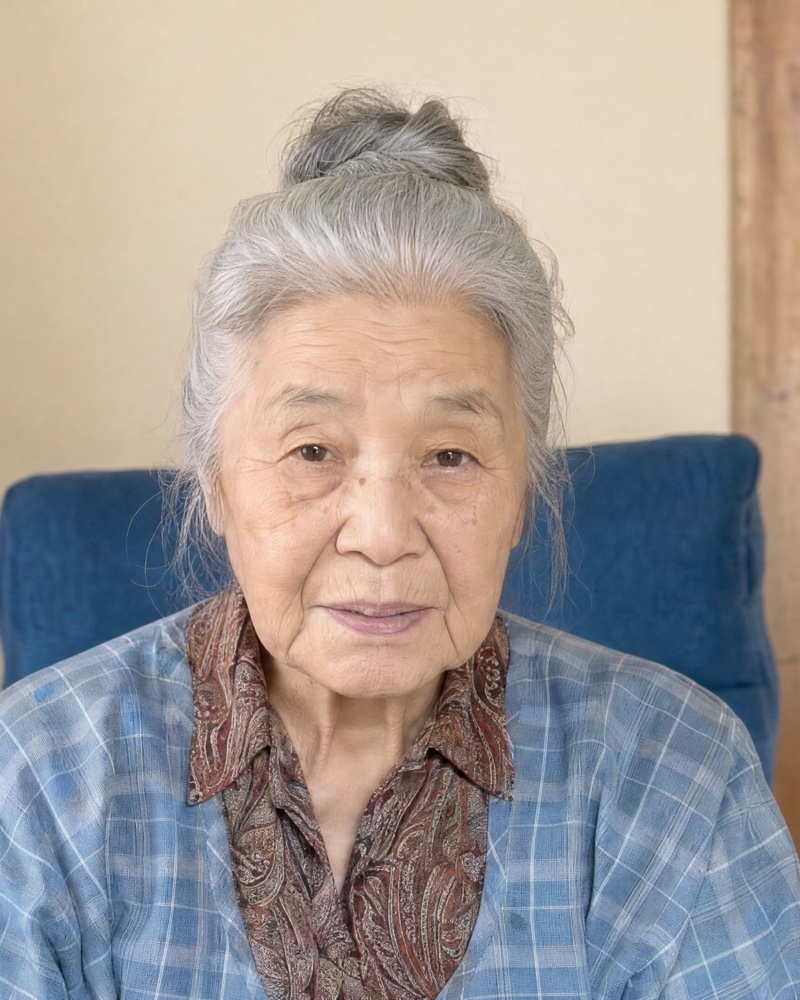
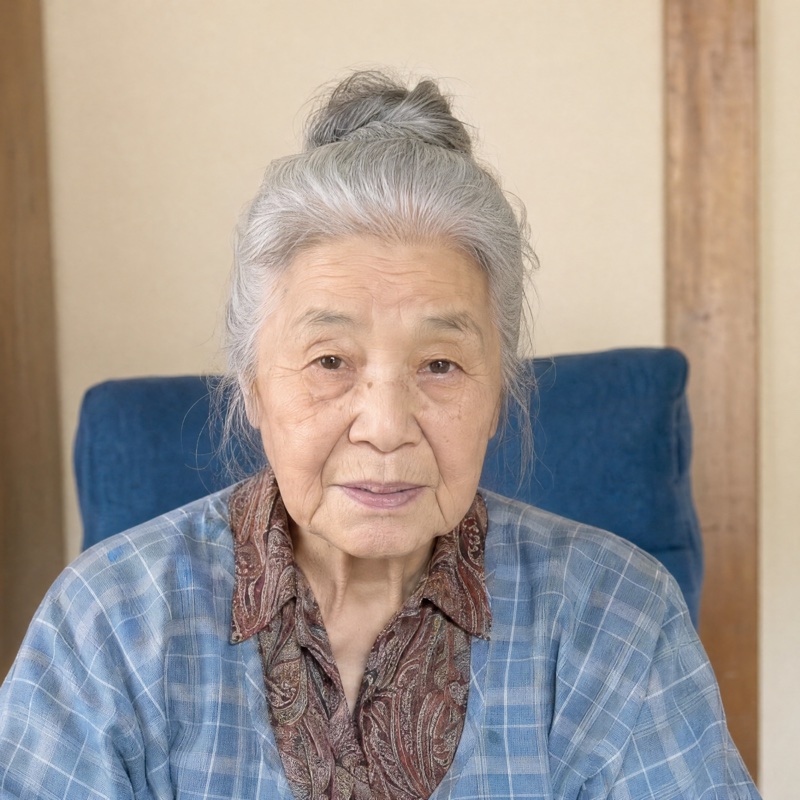
I was born in 1924 in a fishing village in Okinawa. I have outlived two wars, raised five children, and buried most of my doctors. I still tend my garden every morning and cook for my family every night.
My great-grandchildren started filming my kitchen for the 100-Year Life channel, and hundreds of thousands of you began asking for the recipes. This manual is my answer — everything, in one place, written down the way my mother taught me.
Everything below, delivered to your email in the next two minutes.
Visa · Mastercard · PayPal · Apple Pay — secure checkout by Gumroad
Hara Hachi Bu — the 80% rule my grandmother taught at a table of nine. Sixteen pages, sent to your email. No cost, no catch.
Send Me Chapter One — FreeInstant delivery by emailThe videos are moments. The book is the system — all 87 recipes and rituals in the right order, every substitution, and the 30-day plan that ties them together in one place you can cook from. You cannot cook from a playlist.
Because this book is for households, not health tourists. It costs what one takeout dinner costs, so that the habits it replaces pay for it in the first week — and because my grandmother would have been ashamed of me for charging more.
Yes. Every recipe lists ordinary supermarket substitutes, and Chapter 2 is built around 21 staples you can find almost anywhere. The manual was written for readers outside Japan.
Many of my neighbors adopted these habits in their fifties and sixties. The 30-day plan starts gently, and the radio taisō routine has a seated version. Start where you are.
The Okinawan table is mostly vegetables, tofu, and rice already. Fish appears in some recipes and every one of them includes a plant-based swap.
It's a PDF you can read on any phone, tablet, or computer, and it's formatted to print beautifully at home if you prefer paper. No shipping, no waiting.
Email us within 30 days and we refund you in full, no questions asked. Keep the manual either way.